

It is an integrated rotary transmission component that integrates a slewing bearing, driving spur pinion, enclosed housing, sealing system and mounting flange into one compact assembly. Capable of bearing axial force, radial force and overturning moment simultaneously, it converts high-speed input power from electric motors or hydraulic motors into low-speed, high-torque 360° rotary motion.
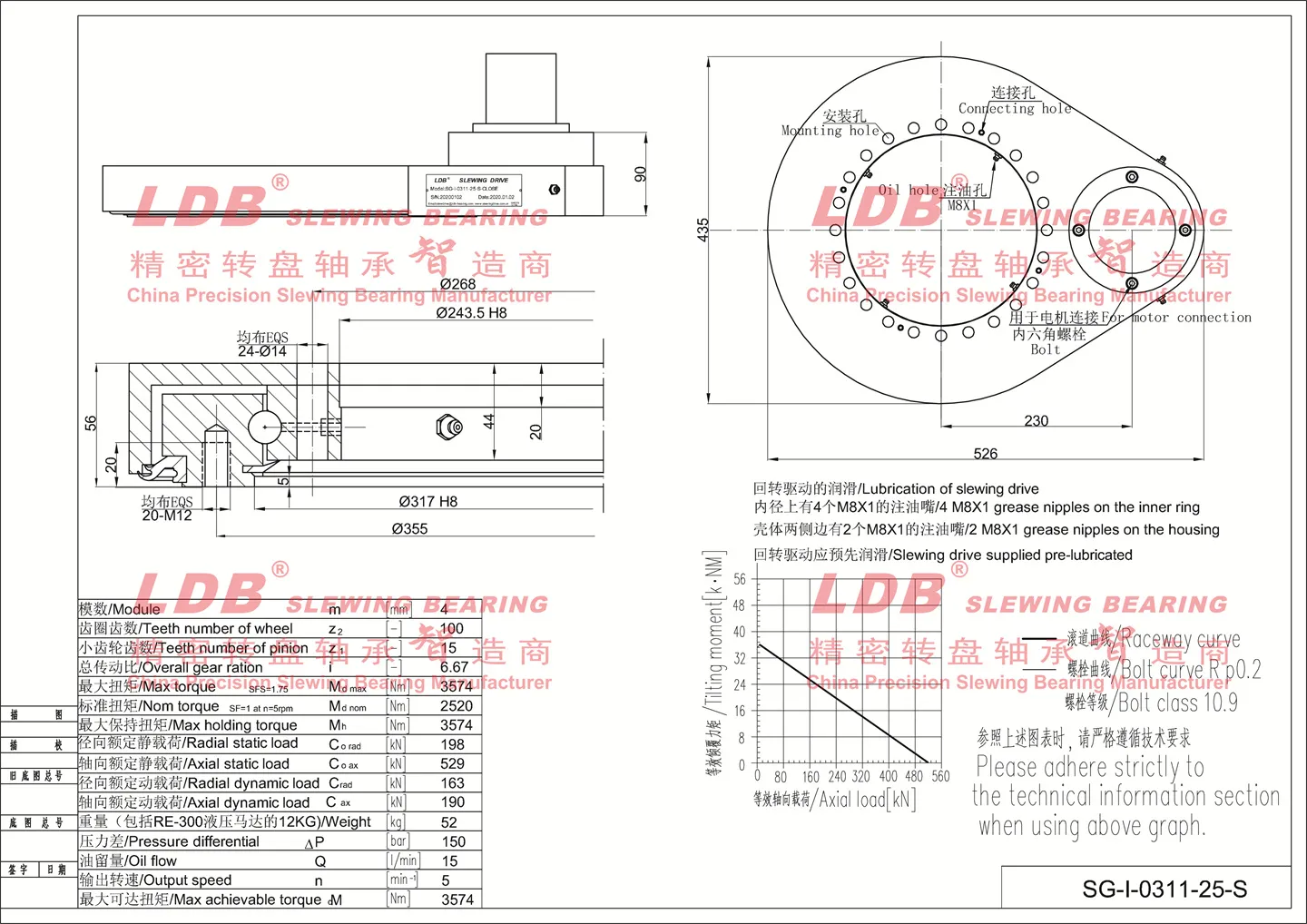
A servo motor or hydraulic motor outputs rotary power to drive the small driving spur pinion to rotate;
The teeth of the pinion engage linearly with the outer gear ring of the slewing ring;
Rotational speed is reduced and torque is amplified, driving the slewing ring and upper loads to perform 360° horizontal rotation or angular swing;
Spur gears adopt rolling meshing transmission with low friction loss, enabling fast reciprocating rotation and precise positioning control during start and stop.
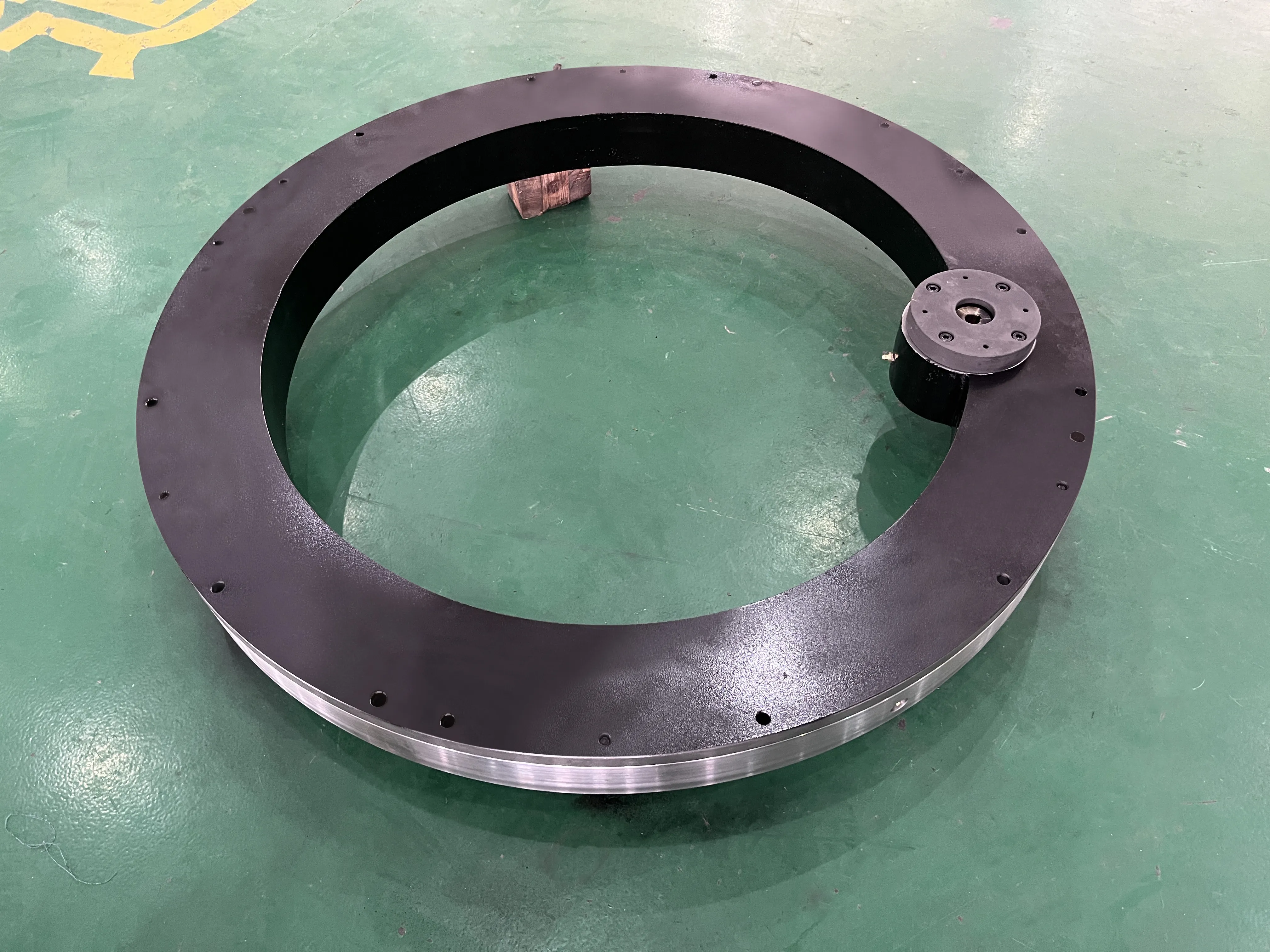
Features of internal-tooth design: Conventional external-tooth spur gear slew drives are generally oval, while internal-tooth versions are circular, effectively saving installation space.
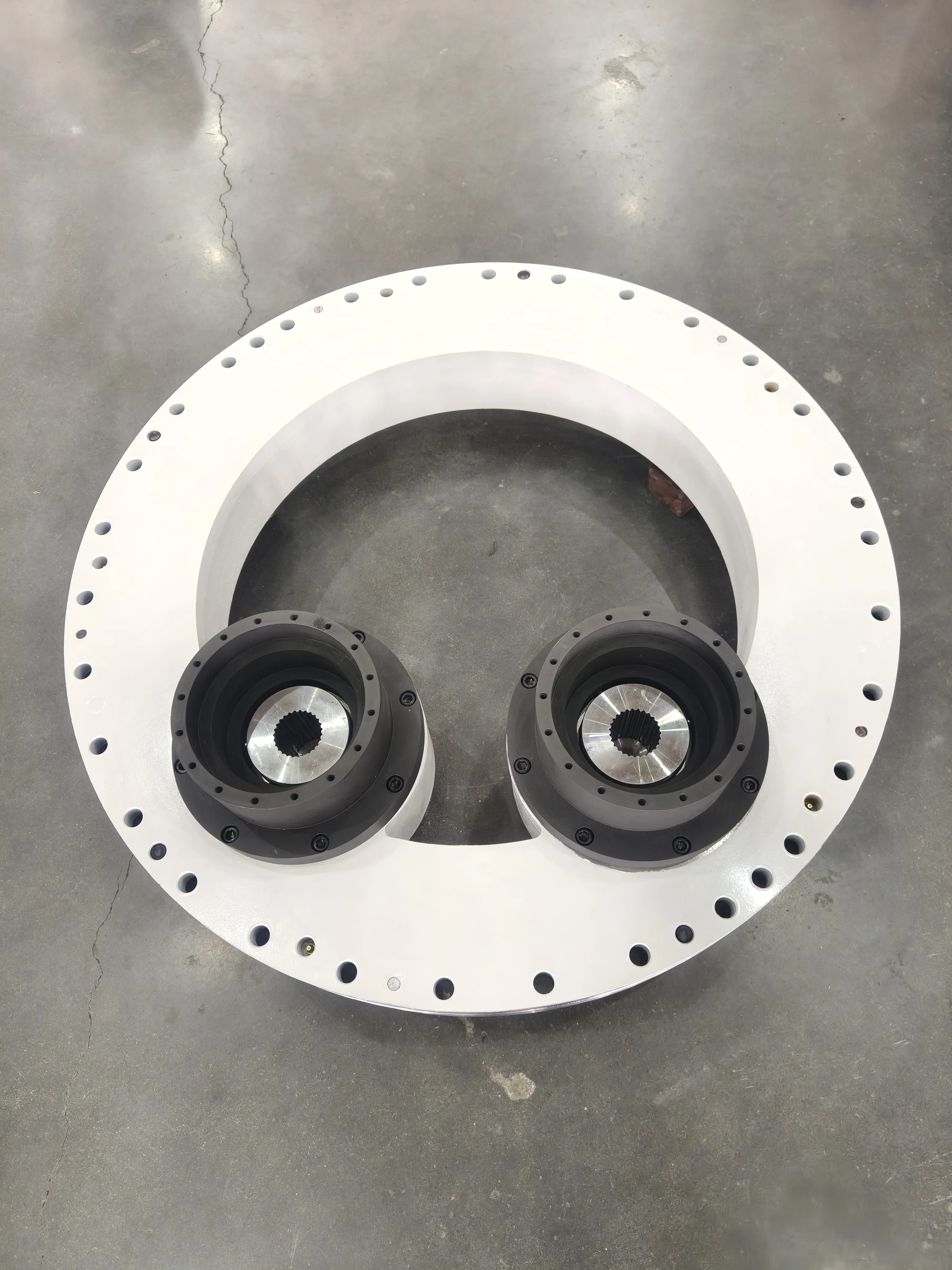
Double-shaft spur gear slew drive delivers higher output torque, ideal for construction machinery and large automated equipment.
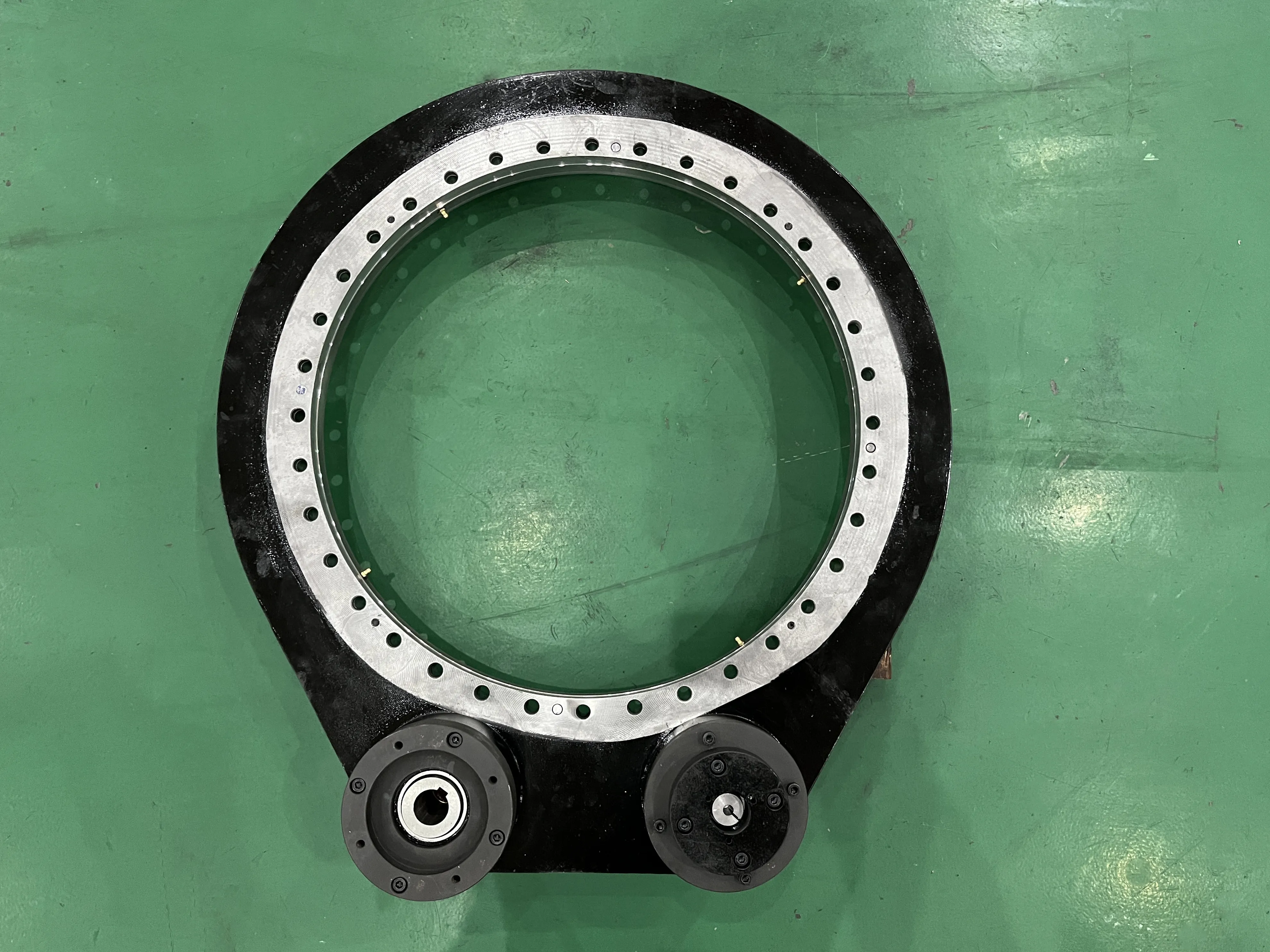
Two-stage transmission adopts two pinions for two-stage deceleration, realizing larger reduction ratio and greater output torque.
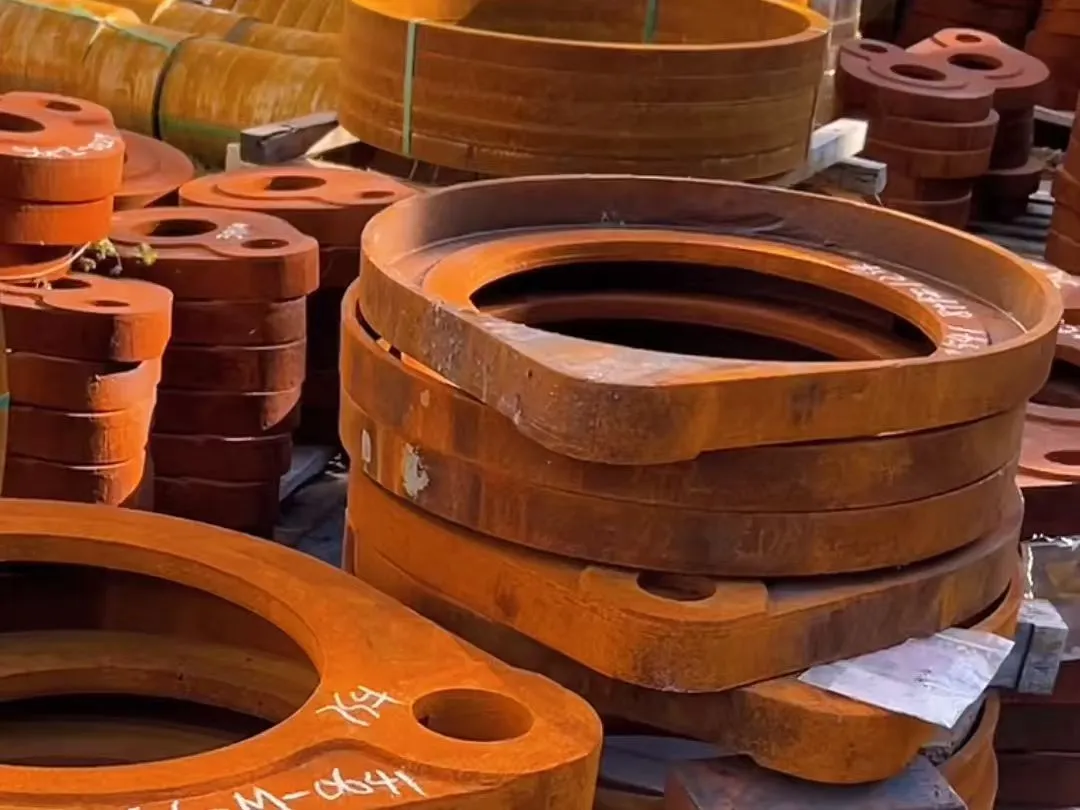
As a professional manufacturer of spur gear slewing drives, Luoyang LDB Bearing strictly controls the key casting process of housings. All cast housing blanks must be stored outdoors for more than three months to fully release residual stress before formal CNC machining and assembly. This is one of the core processes to ensure long-term stability and durability of the complete unit.
The output speed of Spur Gear Slew Drives is not a fixed value but is flexibly adjusted according to actual working load and operating conditions, which is a key feature that ensures the drive’s transmission efficiency and service life.
Spur Gear Slew Drives feature a structurally optimized design with customizable protective configurations, enabling them to adapt to various harsh working environments and maintain stable transmission performance. Their protective performance is mainly reflected in the following aspects
Electric MotorsThis is the most common and mainstream matching power source. AC asynchronous motors, DC servo motors, and stepping motors can all be directly connected to the drive via a coupling or reducer adapter. It is particularly suitable for precision transmission scenarios such as automated production lines and CNC equipment, where it can leverage the high control accuracy of motors to achieve stable speed regulation and positioning.
Chat Online
Get A Quote