

Transmission precision is a key indicator in industrial transmission systems that affects equipment operational stability and machining accuracy. Spur Gear Slew Drives also have obvious advantages in this dimension, with significantly higher precision than slewing drives.
The gear processing technology of Spur Gear Slew Drives is mature, the tooth surface precision is easy to control, and the meshing gap can be accurately adjusted through precision machining, thereby effectively reducing the backlash error and cumulative error during the transmission process and ensuring the accuracy of power transmission. In high-precision transmission scenarios, the positioning accuracy and repeat positioning accuracy of Spur Gear Slew Drives can meet high standards, satisfying strict requirements such as precision machining and automatic positioning.
In contrast, slewing drives mostly adopt a composite transmission structure, which involves more gear meshing links. Errors in each link are prone to accumulation, leading to a decrease in overall transmission precision. In addition, slewing drives are often used in heavy-load scenarios; after long-term stress, gear wear is more likely to aggravate precision deviation, further widening the precision gap with Spur Gear Slew Drives.
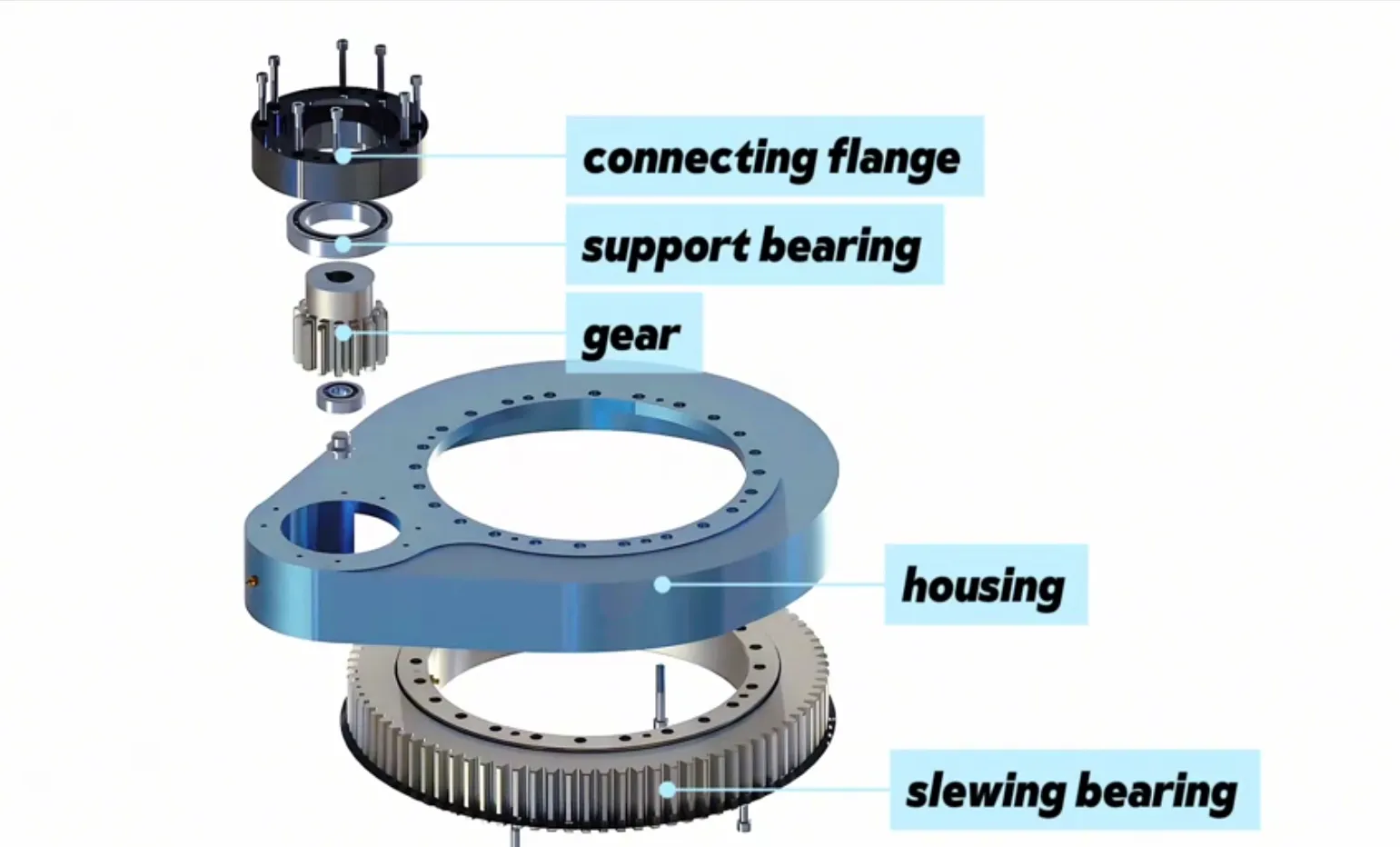
Structural Composition, Performance Characteristics and Applicable Products of Spur Gear Slew Drive
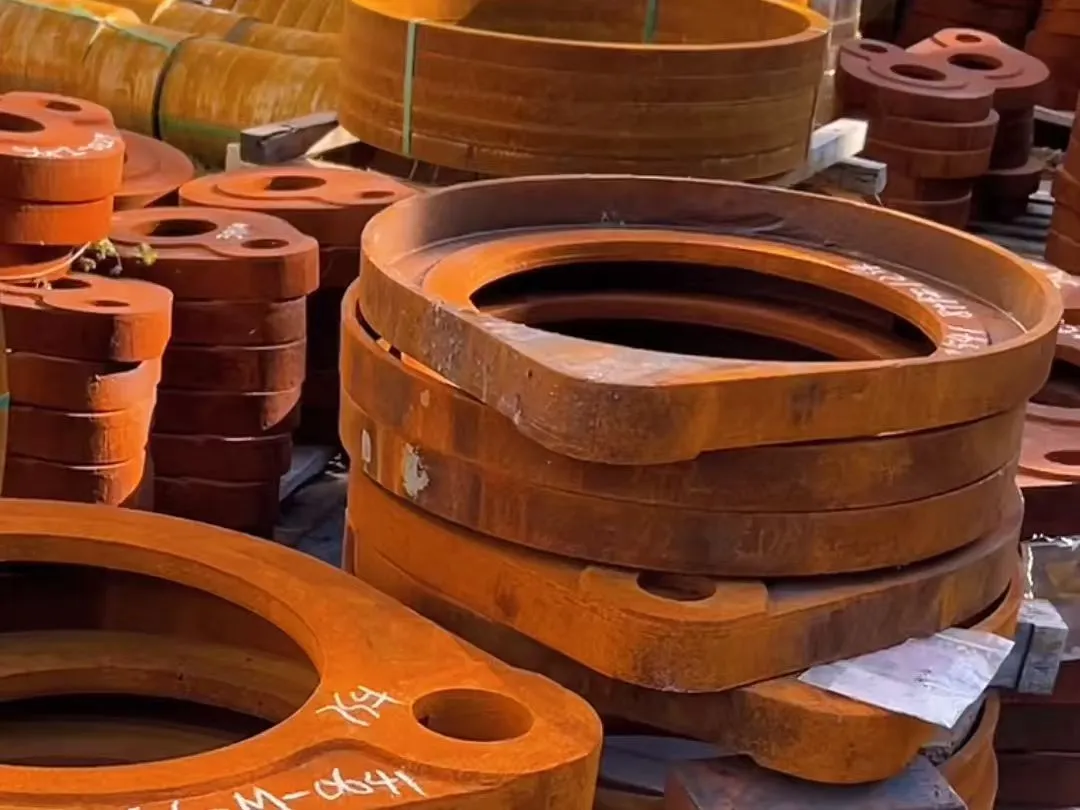
As a professional manufacturer of spur gear slewing drives, Luoyang LDB Bearing strictly controls the key casting process of housings. All cast housing blanks must be stored outdoors for more than three months to fully release residual stress before formal CNC machining and assembly. This is one of the core processes to ensure long-term stability and durability of the complete unit.

The output speed of Spur Gear Slew Drives is not a fixed value but is flexibly adjusted according to actual working load and operating conditions, which is a key feature that ensures the drive’s transmission efficiency and service life.
Spur Gear Slew Drives feature a structurally optimized design with customizable protective configurations, enabling them to adapt to various harsh working environments and maintain stable transmission performance. Their protective performance is mainly reflected in the following aspects
Chat Online
Get A Quote